Affordable Waste Management
by Admin
Posted on 24-01-2026 11:36 AM
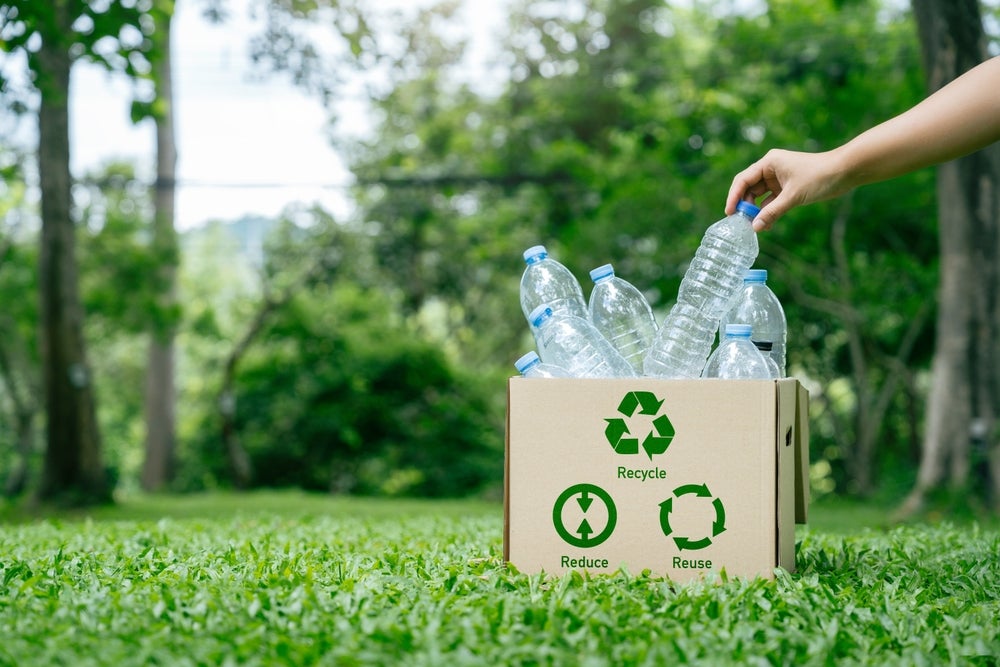
Understanding Waste Management Basics
Waste management encompasses everything from how we collect and transport waste to how we process and dispose of it. A well-structured waste management system not only keeps our surroundings clean but also reduces environmental pollution and conserves natural resources.
Types of Waste
Waste can be categorized into several types including organic waste, recyclables, hazardous waste, and general trash. Understanding these categories is the first step toward managing waste effectively and affordably, as different types require different handling approaches.
The Environmental Impact
Poor waste management contributes to pollution, greenhouse gas emissions, and the depletion of natural resources. By adopting affordable waste management practices, we can significantly reduce our environmental footprint while saving money in the process.
Budget-Friendly Waste Reduction Strategies
The most cost-effective approach to Affordable Waste Management is simply to produce less waste. Reducing waste at the source requires minimal financial investment but yields significant environmental and economic benefits.
Smart Shopping Habits
Planning purchases, buying in bulk, choosing products with minimal packaging, and avoiding single-use items are simple yet effective ways to reduce waste. These habits not only cut down on the amount of waste you generate but also save you money on unnecessary purchases.
Reusing and Repurposing
Before discarding items, consider whether they can serve another purpose. Glass jars can become storage containers, old clothes can be transformed into cleaning rags, and furniture can be refurbished rather than replaced. This approach extends the life of products and delays their entry into the waste stream.
Low-Cost Waste Collection Options
Many communities offer affordable waste collection services, including curbside pickup for recyclables and compostables. Researching local options and comparing prices can help you find the most cost-effective solution for your needs. Some municipalities even provide free recycling services, making proper waste disposal accessible to everyone.
DIY Waste Management Solutions
Taking waste management into your own hands can significantly reduce costs while increasing efficiency. With some basic knowledge and minimal equipment, you can handle a substantial portion of your waste without relying on expensive services.
Composting at Home
Composting organic waste like food scraps and yard trimmings is surprisingly simple and inexpensive. A basic compost bin can be made from repurposed materials like pallets or plastic containers. The resulting compost enriches garden soil, closing the nutrient loop and reducing the need for chemical fertilizers.
Recycling Made Easy
Setting up a home recycling system requires little more than designated containers for different materials. By properly sorting recyclables, you can reduce your trash volume and potentially earn money from certain materials like aluminum cans or glass bottles.
Community-Based Waste Management
Many communities have established collective waste management initiatives that provide affordable solutions for residents. These may include community composting programs, recycling cooperatives, or shared waste collection services. Participating in such programs often costs less than individual arrangements while fostering community engagement in environmental stewardship.
Frequently Asked Questions
What is the cheapest way to manage waste?
The cheapest approach is to reduce waste generation at the source through mindful consumption, followed by reusing items and implementing DIY solutions like composting and home recycling.
Can waste management really save me money?
Yes, effective waste management can significantly reduce expenses by lowering trash collection costs, decreasing purchasing needs through reuse, and creating valuable products like compost.
How do I start composting on a budget?
Begin with a simple container made from repurposed materials, add organic waste like fruit and vegetable scraps, and maintain proper moisture levels. No expensive equipment is necessary.
Are there free waste disposal options available?
Many communities offer free recycling services and hazardous waste collection events. Some areas also have free composting facilities or drop-off centers for specific materials.
What items can I repurpose instead of throwing away?
Glass jars, plastic containers, old clothing, furniture, electronics, and paper products are commonly repurposed items that can serve new functions with minimal modification.
How can I encourage my community to adopt affordable waste management?
Start by organizing educational workshops, setting up demonstration projects, and advocating for municipal programs that prioritize cost-effective waste management solutions.