Residential Junk Removal
by Admin
Posted on 24-01-2026 11:36 AM
Why Residential Junk Removal Matters
Beyond the obvious benefit of gaining physical space, clearing out junk has profound impacts on your home and well-being. A clutter-free environment reduces stress and anxiety, making your home a more peaceful sanctuary. It eliminates potential hiding spots for pests and reduces dust accumulation, contributing to better indoor air quality and a healthier living environment. Removing unwanted items also enhances safety by eliminating tripping hazards, especially important in homes with children or elderly residents. Furthermore, reclaiming space allows you to use rooms for their intended purpose, whether it's setting up a home office, creating a play area, or simply enjoying a clear garage floor again. The psychological lift of seeing a clean, organized space cannot be underestimated.
Common Types of Residential Junk
Homes accumulate a wide variety of items that eventually become unwanted junk. Identifying what you have is the first step towards efficient removal.
Large Furniture & Appliances
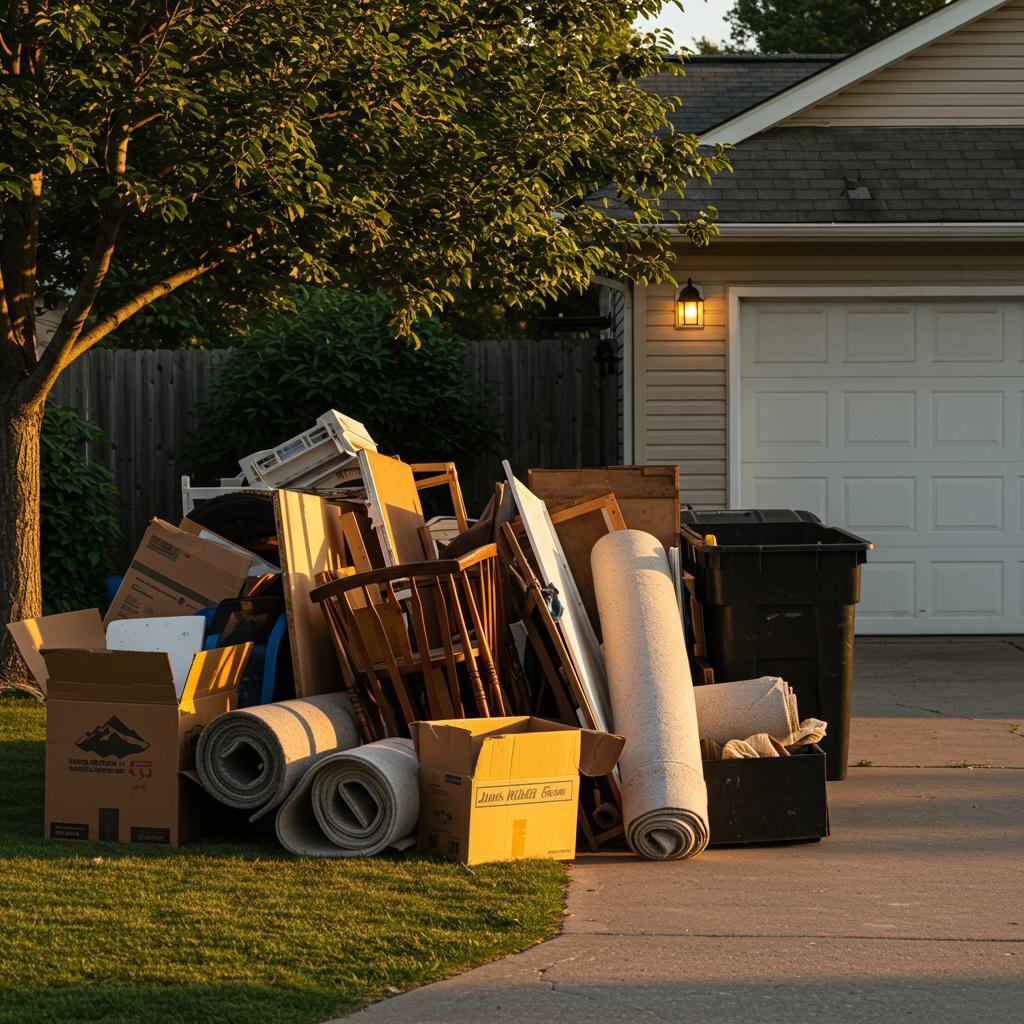
This category often includes sofas, armchairs, mattresses, box springs, dining sets, desks, and large appliances like refrigerators, stoves, washing machines, and dryers. These are bulky, heavy items that are difficult and often impossible for a single person to move safely without proper equipment or help. Disposal can be particularly challenging due to size and local regulations, which is why many homeowners seek https://swifttoss.com/blog/junk-removal/cost-effective-junk-removal-solutions to handle these items properly.
Household Debris & Renovation Waste
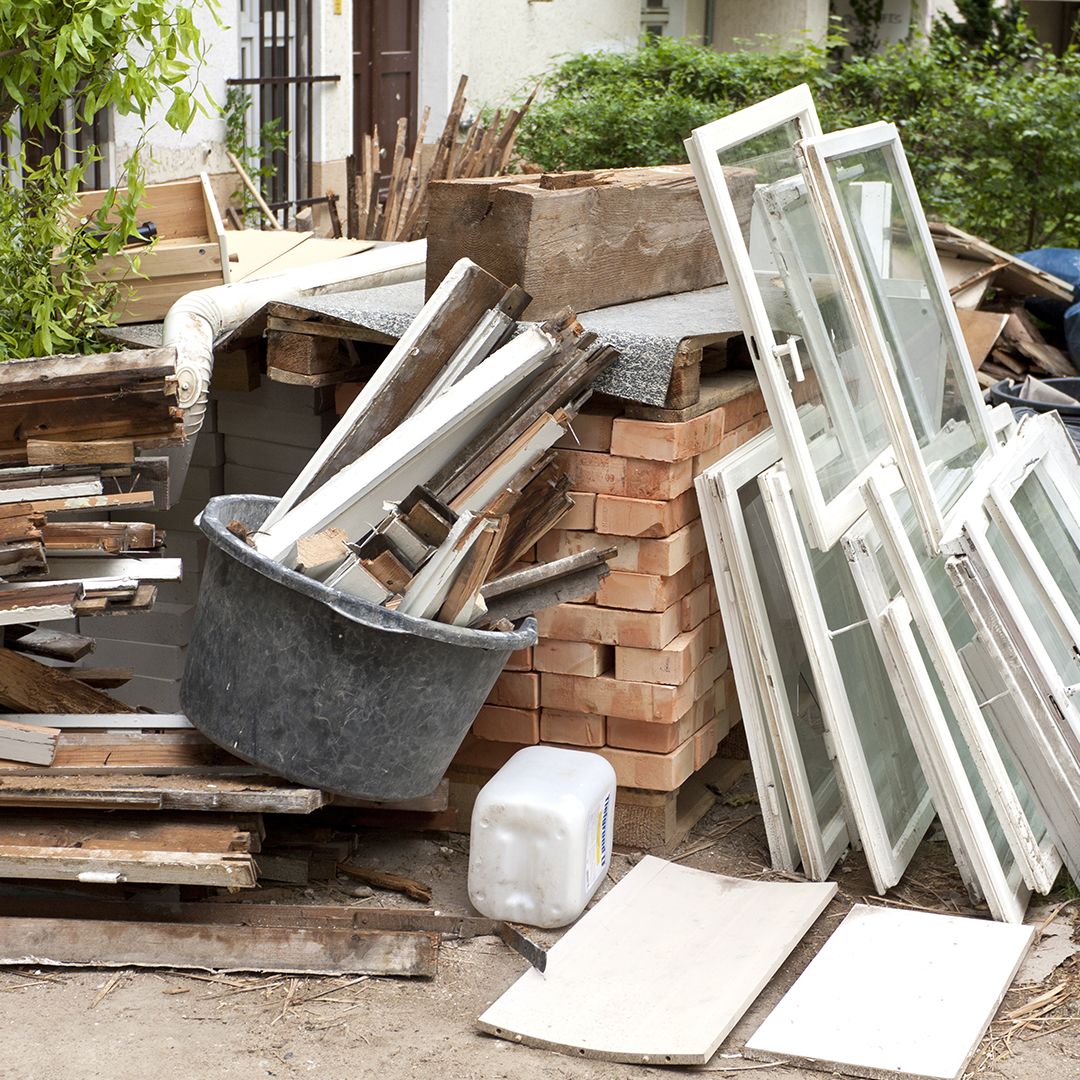
Projects generate significant waste. This includes old carpeting, flooring, tiles, drywall, lumber, insulation, and packaging materials. Even smaller DIY jobs can produce surprising amounts of debris that quickly overfill regular trash bins. Proper disposal often requires specific handling or designated facilities.
Electronics (E-Waste)
Outdated or broken televisions, computers, monitors, printers, keyboards, mice, cables, and small kitchen appliances fall into this category. E-waste contains hazardous materials like lead, mercury, and cadmium, making it illegal and environmentally irresponsible to dispose of in regular landfill trash. Specialized recycling is essential.
General Clutter & Miscellaneous Items
This broad category encompasses everything from old books, magazines, and clothes to toys, sporting goods, garden tools, and broken decor. While individual items might be small, collectively they create significant clutter and can be time-consuming to sort and dispose of properly.
Removal Methods: DIY vs. Professional Service
You have two primary options for getting rid of your residential junk: doing it yourself or hiring a professional removal service. Each has distinct advantages and disadvantages.
The DIY Approach
Handling junk removal yourself involves sorting, loading, hauling, and disposing of items. This might seem cost-effective initially, as you avoid labor fees. However, hidden costs exist. You'll need a suitable vehicle (renting a truck adds expense), fuel, disposal fees at landfills or transfer stations (which can be surprisingly high, especially for appliances or tires), and potentially permits. It also demands significant physical labor and time investment. Safety is a major concern, as lifting heavy items improperly can lead to injuries. Navigating disposal rules for different materials (like e-waste or hazardous items) can be confusing and time-consuming.
Hiring a Professional Service
Professional junk removal companies offer a comprehensive solution. Their teams handle everything: sorting items on-site, heavy lifting, loading their truck, proper disposal, and often recycling or donation efforts. They have the manpower, equipment, and knowledge to do the job efficiently and safely. The primary cost is the service fee, usually based on the volume your junk occupies in their truck. While this is an upfront cost, it saves you considerable time, physical effort, potential injury, and the hassle of figuring out disposal logistics. Reputable companies also ensure environmentally responsible disposal, diverting items from landfills whenever possible through recycling and donation partnerships.
Key Factors in Choosing a Junk Removal Service
Selecting the right company ensures a smooth, reliable experience. Consider these essential factors:
Preparing for Junk Removal Day
Proper preparation helps the removal process go quickly and smoothly:
FAQs
How much does residential junk removal typically cost?
Costs vary widely based on volume, location, and item type. Expect to pay anywhere from $100 for a few small items to $600+ for a full truckload. On-site estimates are most accurate.
How quickly can a junk removal service come?
Many companies offer same-day or next-day service, especially for straightforward jobs. Scheduling a few days to a week in advance is common for larger projects or specific time slots.
Do junk removal services recycle?
Reputable companies prioritize recycling and donating usable items. They sort through loads and divert materials like metal, electronics, appliances, and furniture away from landfills whenever possible. Always ask about their recycling policies.
What items won't junk removal companies take?
Hazardous materials (paint, chemicals, solvents, asbestos, oil, tires), certain explosives, and sometimes very heavy items like concrete or dirt (unless specialized) are typically excluded. Always confirm prohibited items beforehand.
Do I need to be present during the removal?
Generally, yes. Being present allows you to point out exactly what goes and confirm the final price. Some companies may offer options for pre-arranged removals if you provide clear instructions and access.
How do I know if a company is reputable?
Look for positive online reviews, proper licensing and insurance (ask for proof), transparent pricing practices, and clear communication about their services and disposal methods. Recommendations from friends or neighbors are also valuable.